Megha Express
A logistics website rebuilt for faster
booking and clearer shipment tracking.
Overview
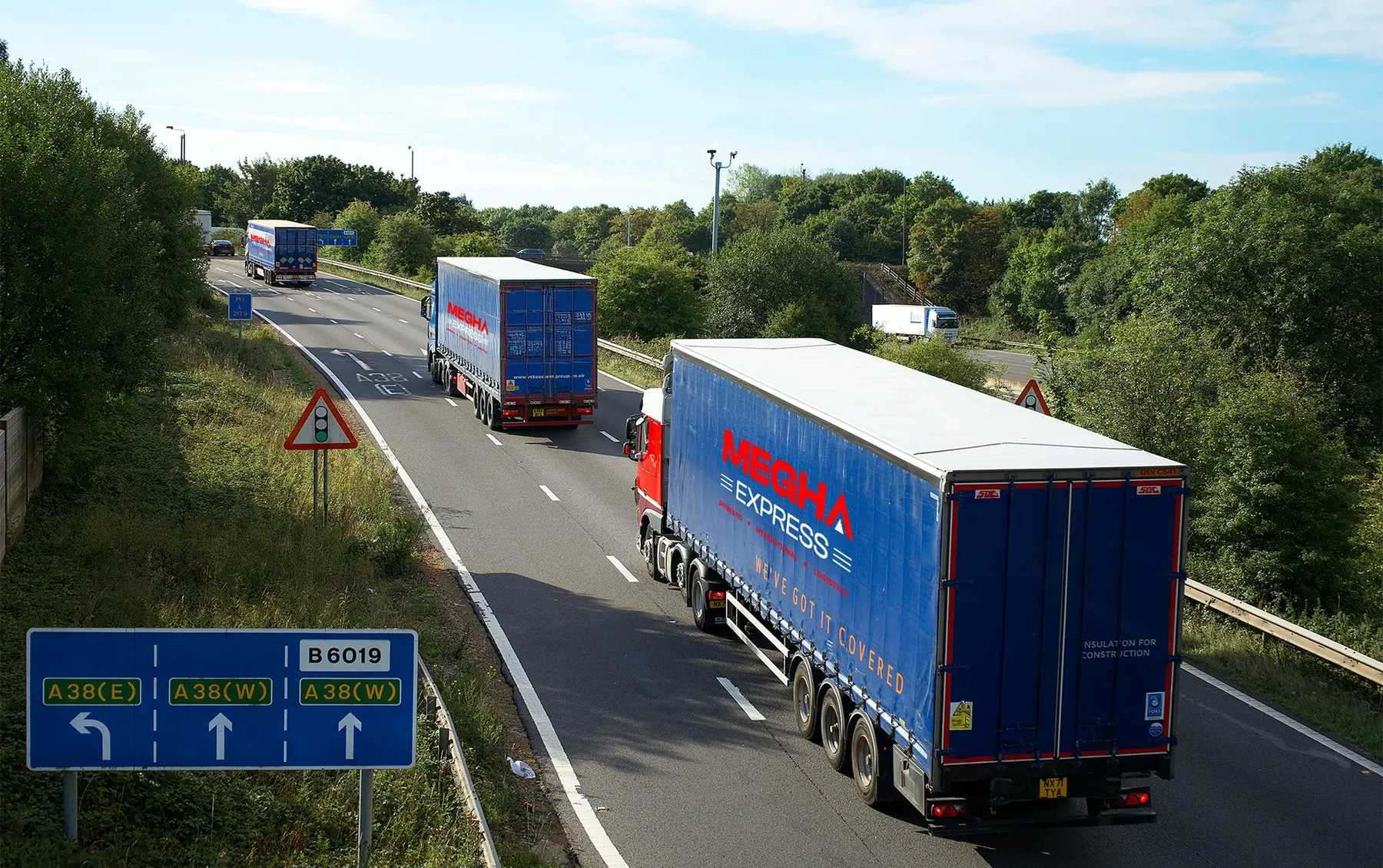
Megha Express is a logistics and delivery service focused on the reliable movement of goods. The website redesign aims to make shipping services easier to understand, simplify shipment requests, and improve access to tracking information.
My role focused on designing the customer facing website and supporting administrative workflows. The experience brings service discovery, shipment tracking, shipping requests, carrier information, and business enquiries into a more structured digital platform.
The Problem
The existing website lacked a clear information hierarchy, making it difficult for visitors to understand available services, track shipments, and identify the right shipping solution. Important actions competed with general company information, creating friction in the journey from landing on the website to requesting a shipment.
The challenge was to communicate the efficiency expected from an express logistics brand while supporting different customer needs, including business shipping, domestic and international delivery, project logistics, and shipment enquiries. Internal workflows also needed to support more organised handling of requests and operational tasks.
The Approach
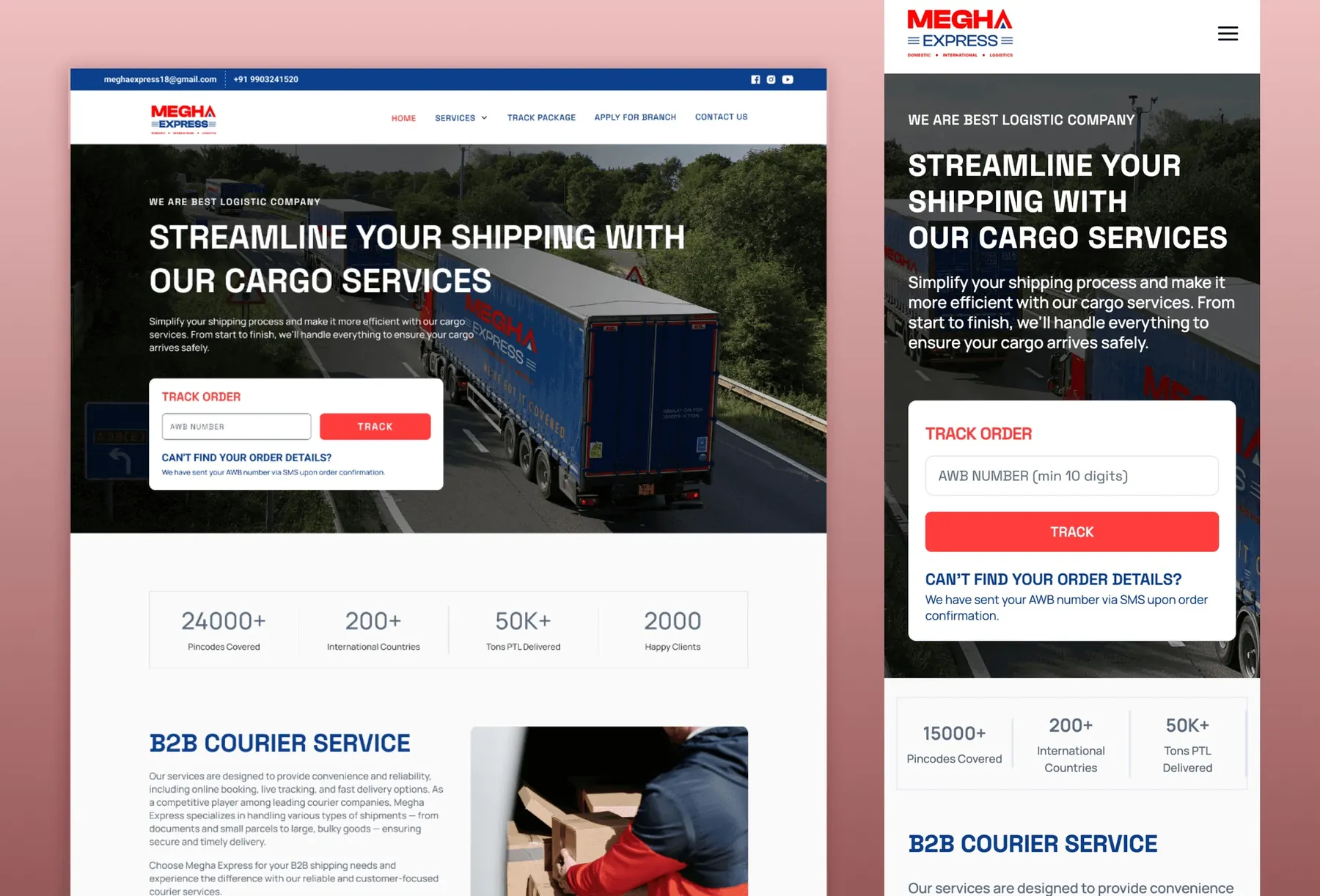
I approached the redesign around the shipment journey, prioritising the actions customers need most. The homepage introduces the company's logistics offering and places shipment tracking prominently within the hero section, allowing returning customers to locate their shipment without navigating through multiple pages.
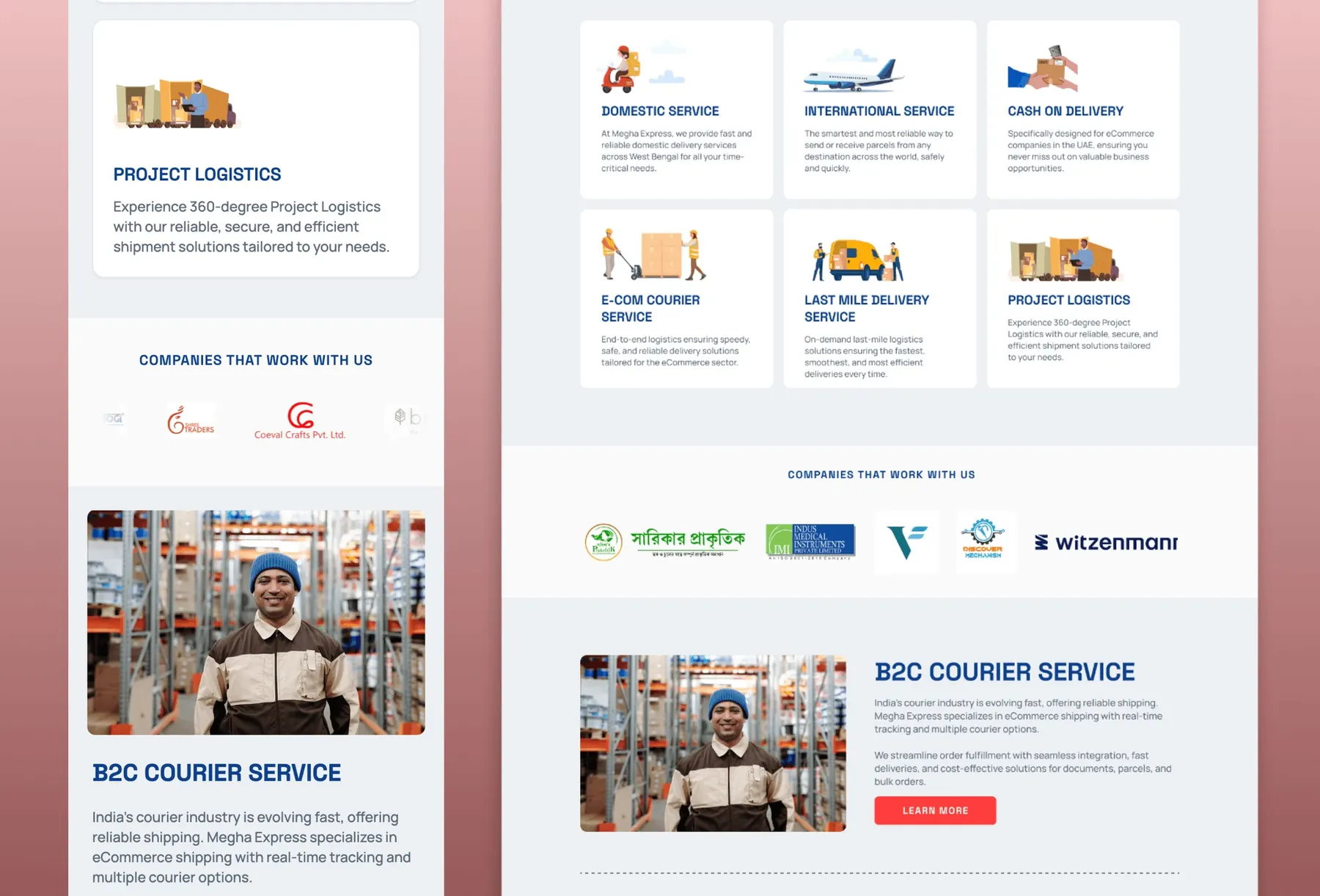
I structured the service sections around distinct logistics requirements, including B2B courier services, domestic and international shipping, cash on delivery, last mile delivery, and project logistics. Supporting imagery, concise descriptions, and clear calls to action help visitors understand the available options and move towards the relevant service.
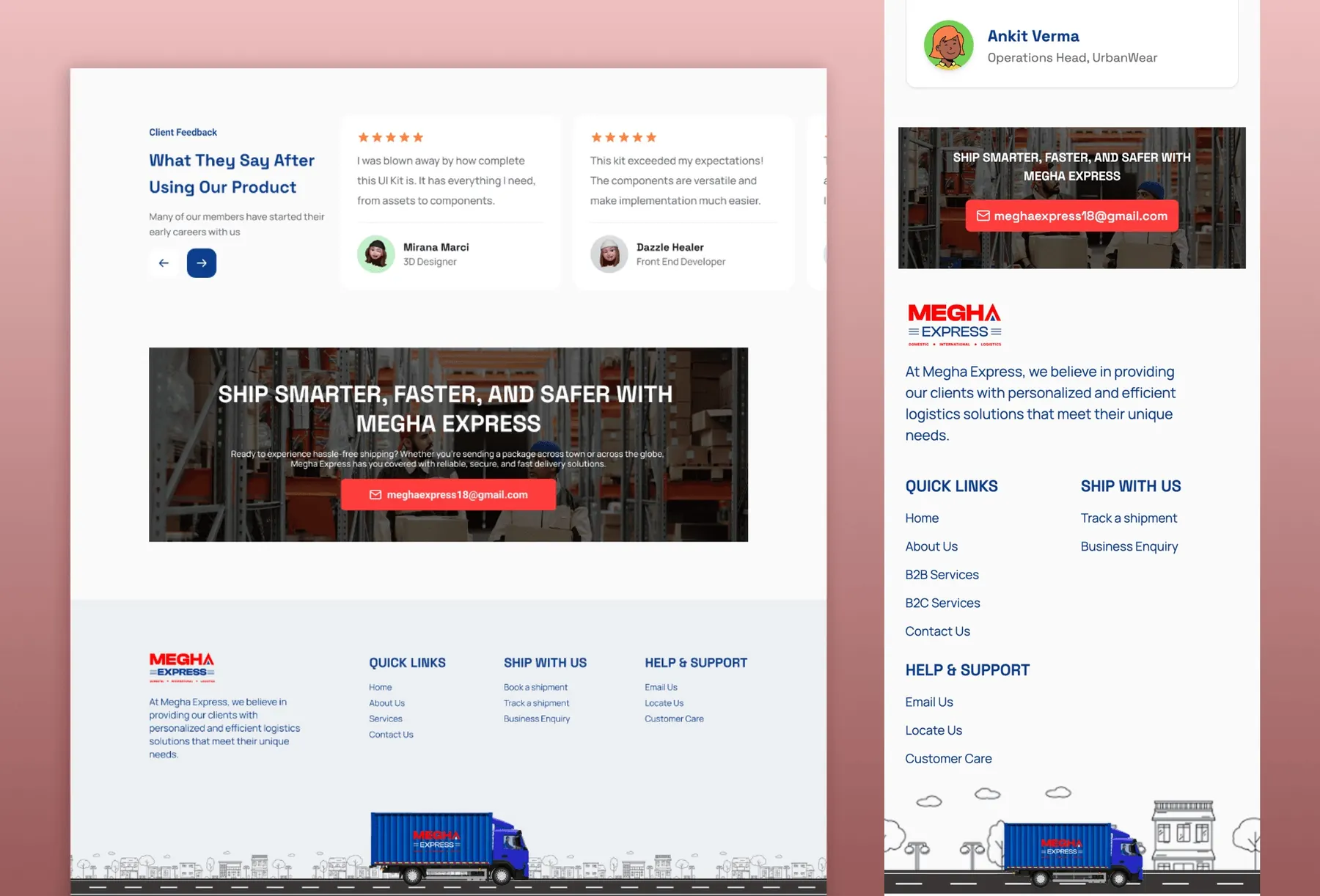
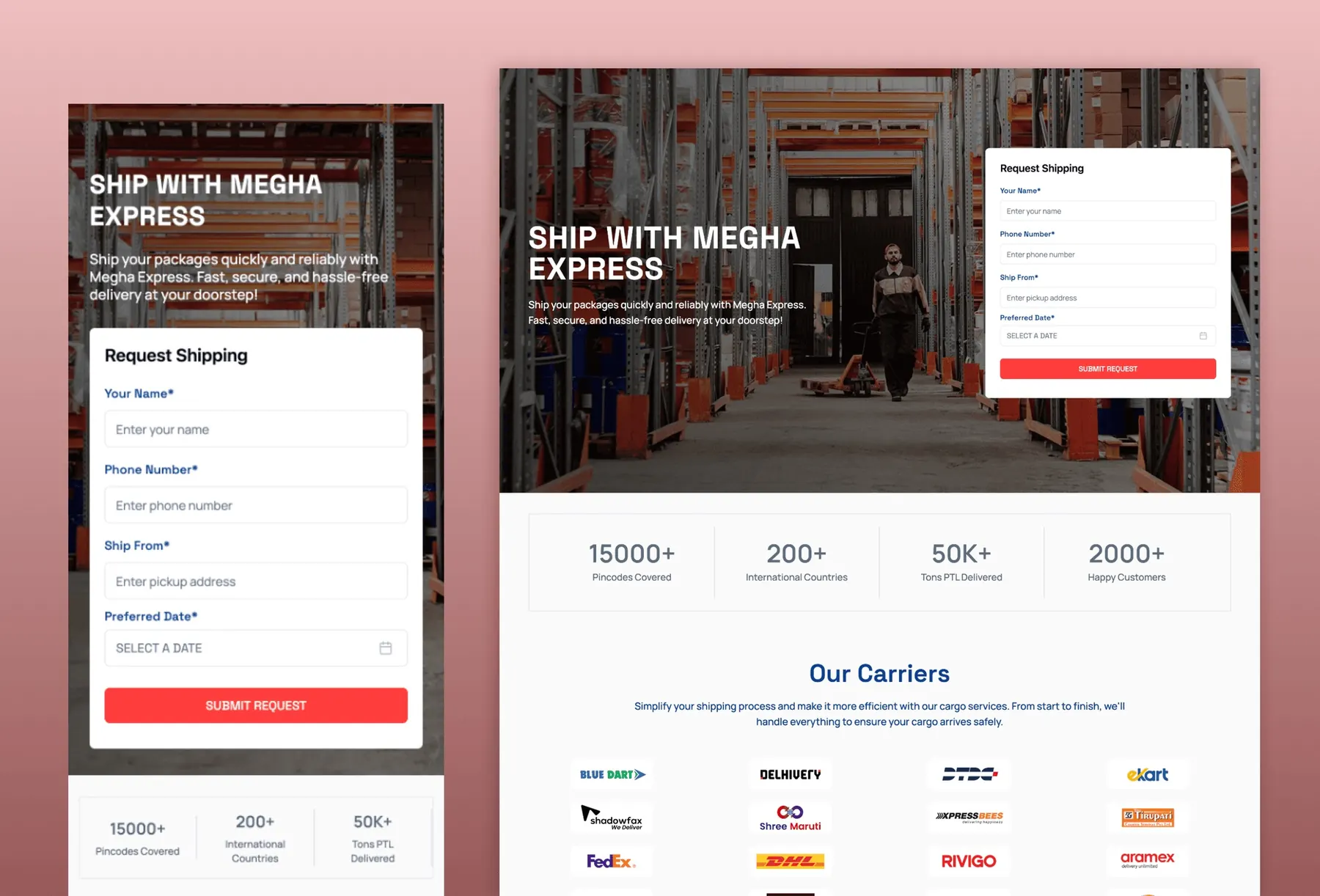
The shipping request experience uses a dedicated form to collect essential information such as contact details, pickup address, and preferred date. I also incorporated carrier information, customer testimonials, company statistics, and contact options to provide additional context and support decision making. The footer consolidates important navigation links, shipping actions, and support resources into a consistent closing section.
The Results
- A more direct path to shipment tracking from the homepage
- Clearer presentation of logistics services and shipping options
- A structured shipping request journey with dedicated information fields
- Improved organisation of carrier information, customer feedback, and support links
- A scalable website structure that can accommodate additional services and business requirements
What I'd Do Differently
I'd involve the operations team earlier when defining the administrative workflows. The customer facing website received much of the initial design attention, but internal request handling is equally important to how efficiently a logistics business operates. Understanding how enquiries move from submission to fulfilment would help connect the customer experience more closely with the operational process.
I'd also define success metrics before launch, including time taken to submit a shipping request, tracking task completion, and the number of visitors who abandon important forms. These measurements would provide a stronger basis for evaluating whether the redesign improves usability and business outcomes.
What I Learned
A brand promise must be reflected in the interface. For an express logistics company, a confusing website contradicts the expectation of speed and reliability. Clear navigation, prominent actions, and a logical information hierarchy are part of the service experience itself.
Shipment status is central to customer confidence. Customers need to know where their goods are and what action to take next. Tracking should therefore be treated as a primary user need rather than just another website feature.
Process thinking creates scalable experiences. Organising the website around the journey from service discovery to shipment request and tracking creates a structure that can grow with new services without making the experience harder to navigate.